

The Warebid blog
Used Office Furniture in Singapore: A Bulk Buying Guide
A practical guide for Singapore businesses buying pre-owned office furniture in bulk, from matching usable quantities to writing a clear procurement brief.
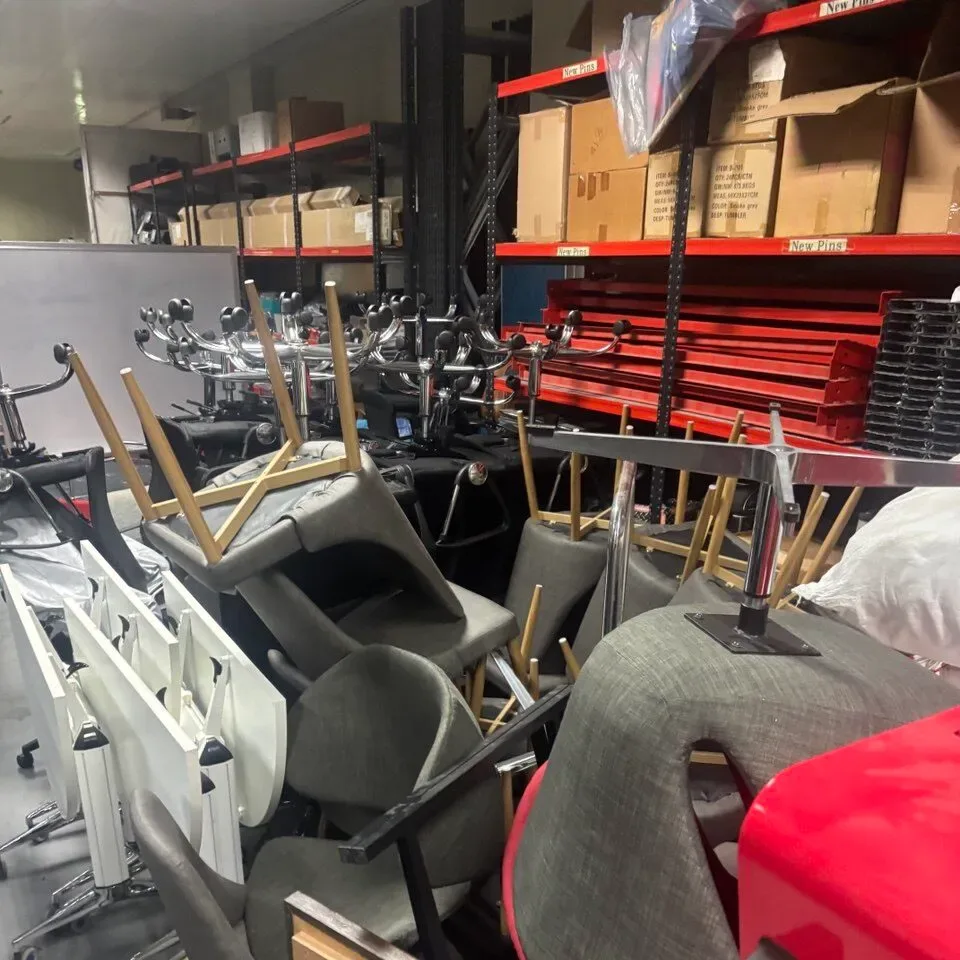
For an office move, start with the number of complete workstations you need on opening day. Then check which used-furniture lot can meet that brief. Buying used office furniture in Singapore becomes easier when you define the quantity, configuration and condition your team needs before comparing prices.
For a business buyer, the useful question is: how many complete, usable workstations will this purchase give us by our move-in date?
At Warebid, our view is that a lower unit price earns a place on the shortlist. The condition, configuration and practical cost of putting the furniture to work should decide the purchase.
Start with the usable quantity your office needs
Before browsing, list the seats, desks and storage units required for day one. Keep possible future hires separate.
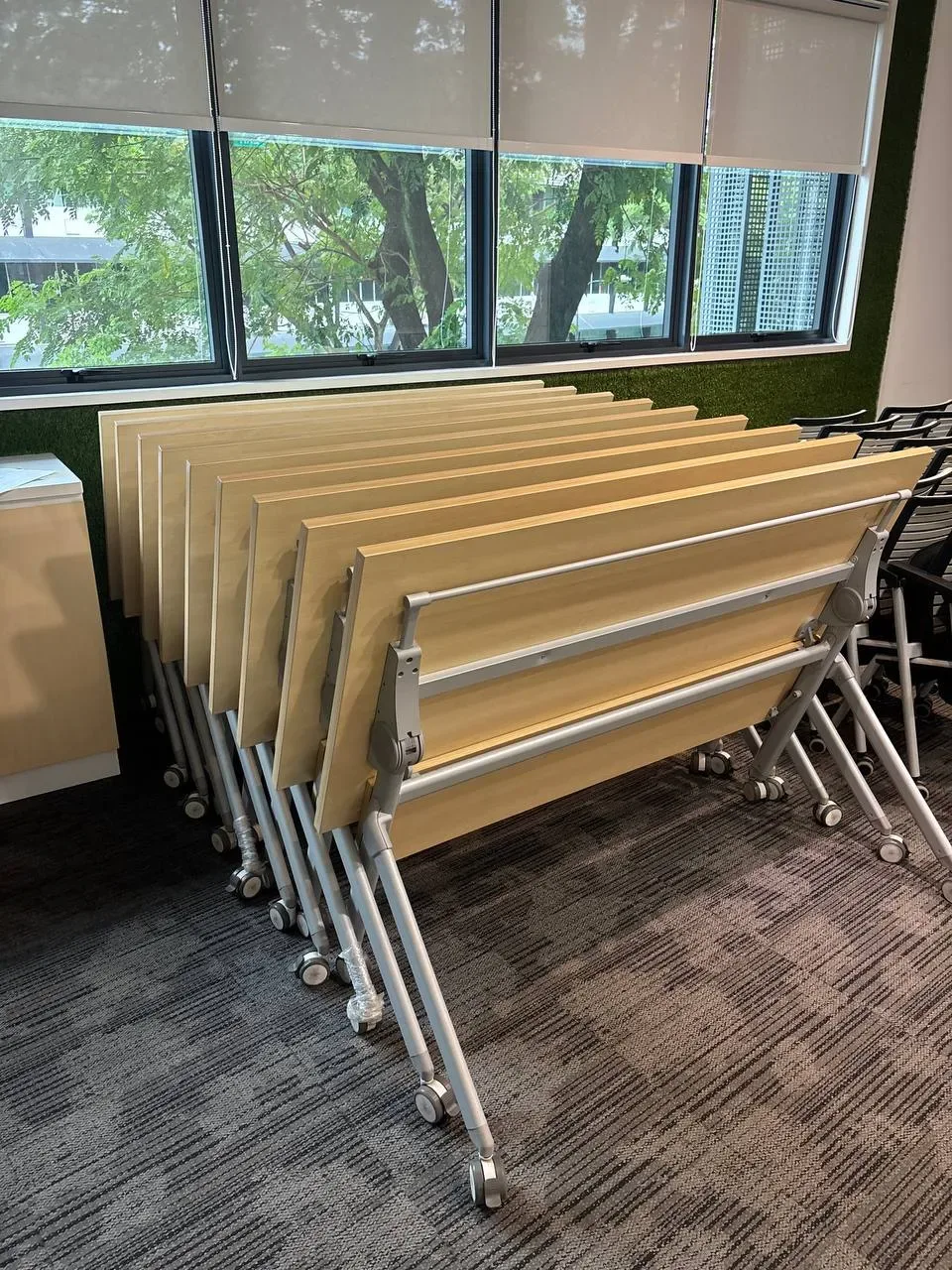
Then distinguish three numbers: the quantity advertised, the quantity matching your specification, and the quantity confirmed suitable for use.
For illustration, imagine a listing for 30 chairs. Your team needs 24 with adjustable arms, but only 20 have that configuration. The lot does not meet the brief, even if all 30 share a brand name.
If a shortage would delay opening, decide in advance whether you can accept a second model, source the balance elsewhere or choose another lot.
Define what “matching” means before asking for a quotation
Matching colour is only one consideration. Specify the features that affect the job each item must do.
| Item | Confirm across the proposed batch |
|---|---|
| Task chairs | Model, arm configuration, seat adjustments, upholstery and working mechanisms |
| Desks | Width, depth, height, frame arrangement and included cable fittings |
| Cabinets | External dimensions, shelves, door operation, locks and available keys |
| Training furniture | Table dimensions, folding or linking fittings, chair tablets and castors |
| Workstation systems | Complete frames, connecting hardware, panels and the proposed layout |
Use the same brief when comparing suppliers. Otherwise, one quotation may cover complete workstations while another covers tabletops and frames with components still to source.
A mixed set can be perfectly sensible. Keep customer-facing meeting areas visually consistent and allow more flexibility in back-office storage, if that suits your organisation.
Check the batch, then identify the units being purchased
A good photograph of one item does not establish the condition of the entire lot. Ask how representative the photographs are and whether any units differ in specification or wear.
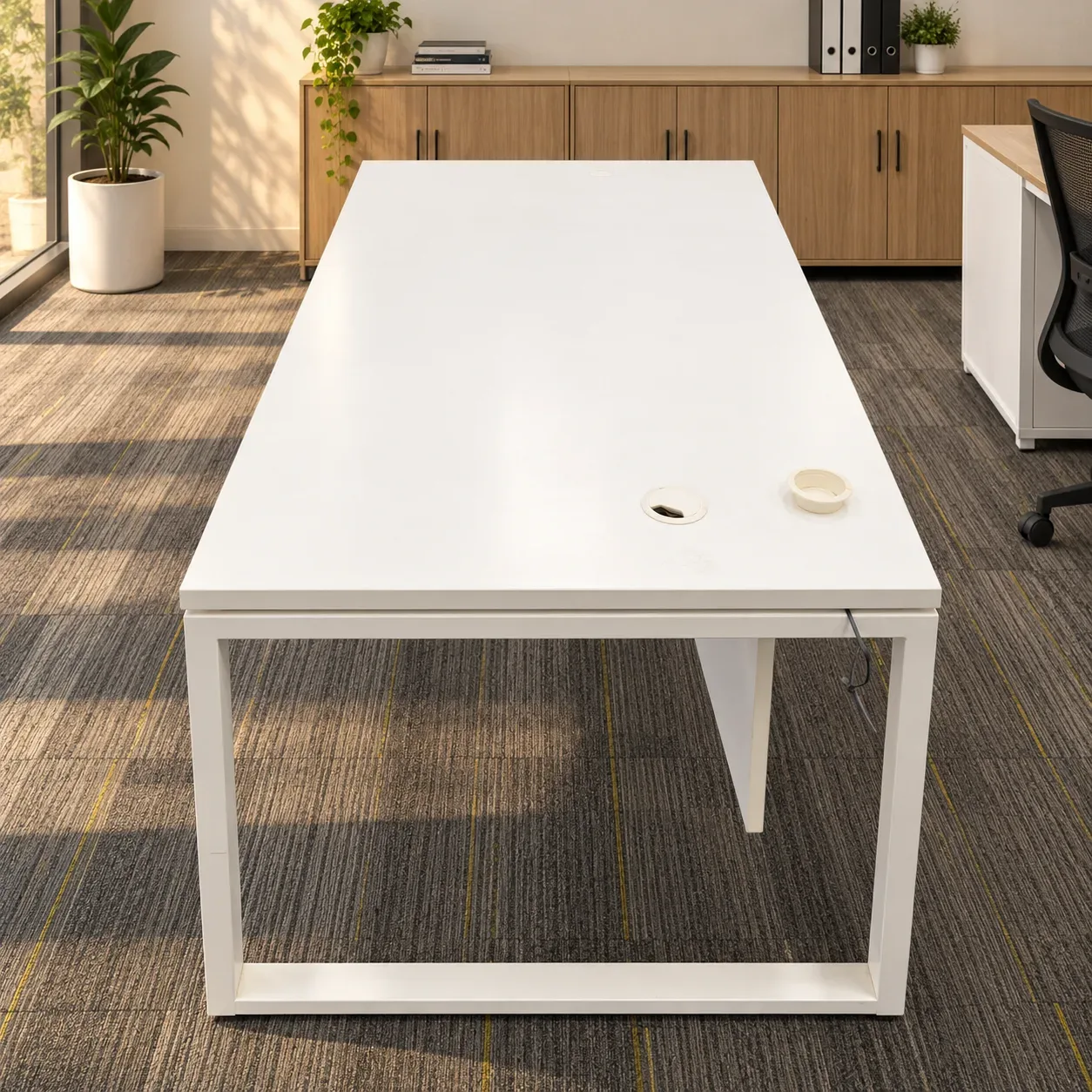
Use an initial sample to decide whether the model suits your team. Before acceptance, agree how the actual units will be checked and identified. A sample does not confirm every chair mechanism or cabinet lock works.
Request a list of missing components, known faults and untested functions. Ask whether cleaning, repairs or replacement parts are included in the proposed price. Put any agreed work in writing.
Warebid's seating catalogue provides individual listings with quantities and condition information. Read the specific listing and confirm the details of the units you intend to purchase.
Compare the cost of a usable setup
For your approval paper, build one comparable figure:
Total setup cost = furniture + transport and handling + agreed assembly + necessary cleaning or repairs + missing components + applicable charges.
Divide that total by the number of usable workstations or items it produces. Keep optional upgrades separate.
For the price comparison, our guide to judging second-hand furniture value explains how to use retail references and current alternatives.
A cheaper lot may still be worthwhile after minor repairs. A more expensive one may make better sense if it is complete and easier to put into use. The calculation should make that trade-off visible.
Do not assume transport includes dismantling, assembly, upstairs carrying or placement. Confirm the scope with whoever is providing it, along with loading access, lift dimensions and any work-hour restrictions imposed by your building management.
Send a procurement brief that suppliers can answer
A clear brief reduces follow-up messages and gives your team something concrete to approve.
| Include | Useful detail |
|---|---|
| Requirement | Item types, quantities and required configurations |
| Space | Layout, maximum dimensions and relevant access measurements |
| Condition standard | Acceptable cosmetic wear; functions that must work |
| Timing | Required date, access windows and whether phased collection is possible |
| Commercial details | Company billing name, itemised prices, tax treatment and quotation validity |
| Responsibilities | Collection or transport arrangements, assembly, repairs and acceptance checks |
Also ask when stock becomes reserved and what happens if the confirmed quantity changes before fulfilment. An internal purchase approval and a supplier's stock reservation are separate steps.
Where Warebid fits into your shortlist
Warebid's commercial stock catalogue brings together pre-owned seating, tables, storage and equipment. Listings show available quantities, with prices or an enquiry option depending on the item. This gives business buyers a starting point for assessing individual items and larger requirements.
We’re supported by CPL Services, whose work includes clearing offices ahead of reinstatement and buying back furniture and equipment with resale value. Warebid gives buyers a place to explore pre-owned stock for its next use.
Start with the furniture that is hardest to match, then shortlist complementary items from the tables and workstations catalogue. Send the item links with your quantities and brief so the next discussion can be specific.
Record reuse in terms you can substantiate
Singapore's National Environment Agency identifies resale and donation as options for furniture in good condition in its reuse guidance.
For your own records, retain the invoice, item descriptions, quantities and photographs. State what was purchased second-hand and put into use. Avoid attaching a carbon-saving figure without a suitable measurement method and supporting data.
Frequently asked questions
Is used office furniture suitable for a new office?
It can be, provided the dimensions, condition and confirmed quantities meet your requirements. Assess it against the same practical brief you would use for new furniture, including timing and total setup cost.
Can I buy a matching set from Warebid?
Check the relevant listing and confirm the quantity and configuration needed. A displayed batch quantity is a starting point; agree which units form your order before committing.
Should I furnish the entire office with used furniture?
There is no need to make it an all-or-nothing decision. Buy used where the specification and condition fit. Consider new items where you need a particular configuration, predictable repeat availability or specific support terms.
What should I obtain before issuing a purchase order?
Get an itemised quotation identifying the items, quantities, condition, inclusions, agreed work, fulfilment arrangements and payment terms. Confirm reservation and acceptance arrangements, and ask for any warranty or return terms in writing.
 WhatsApp channel
 Telegram channel