

The Warebid blog
Sustainable Office Furniture in Singapore: Give Good Furniture a Second Life
Make furniture reuse part of corporate responsibility: retain useful pieces, buy pre-owned for genuine needs and keep a clear record of what happens.
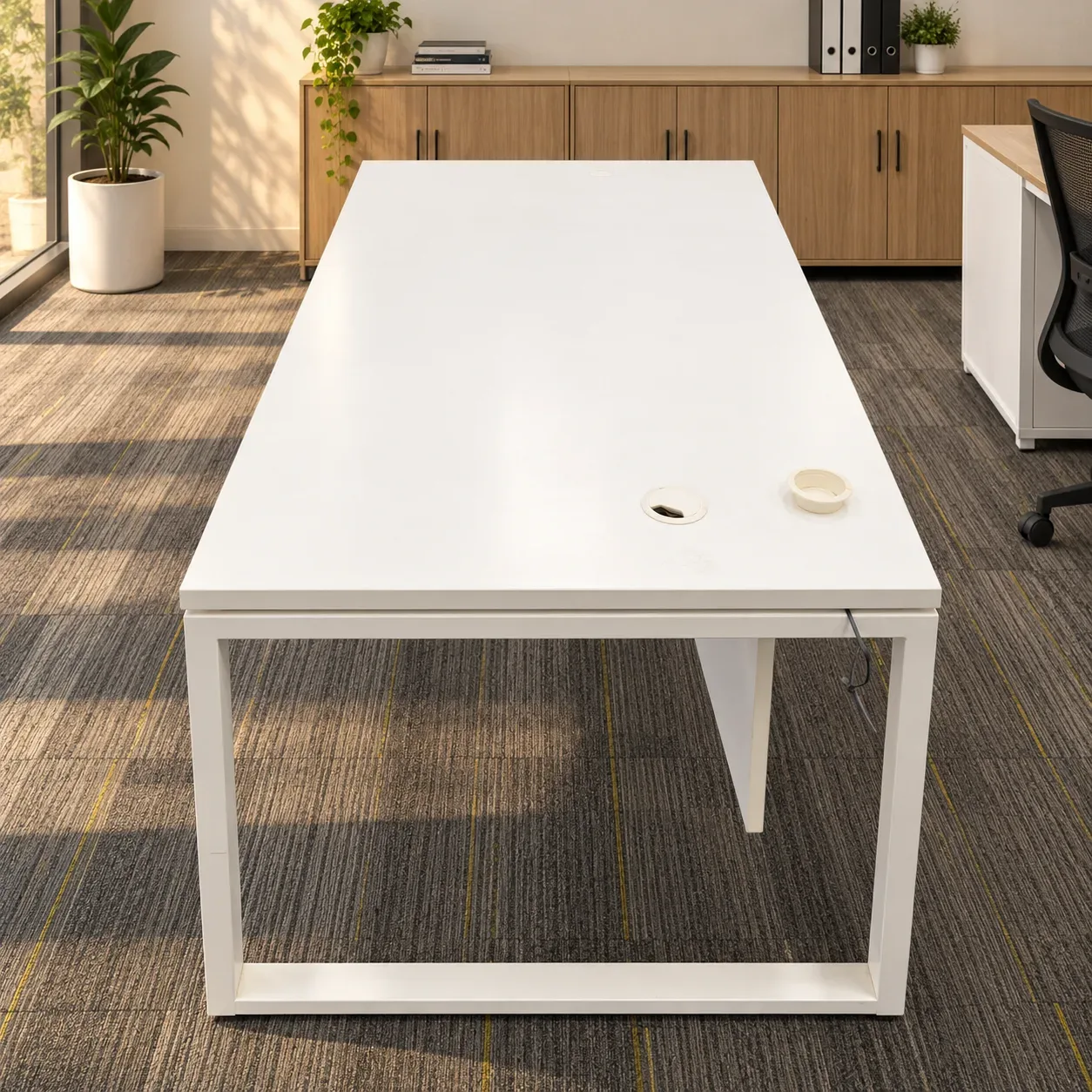
An office move is a chance to decide what deserves another chapter. Desks, chairs and cabinets may stop fitting one business’s plans while remaining useful to someone else. Keeping suitable furniture in use is a practical way for a company to make resource-conscious choices.
For corporate responsibility and sustainability teams, the work begins with everyday decisions: use what you already have, choose pre-owned pieces where they fit, and plan a useful destination for furniture you no longer need.
Give existing furniture a job before buying more
Start with a walk through your current office. Which items are still useful? Which could move to another department or location? Which need attention before they can be used again?
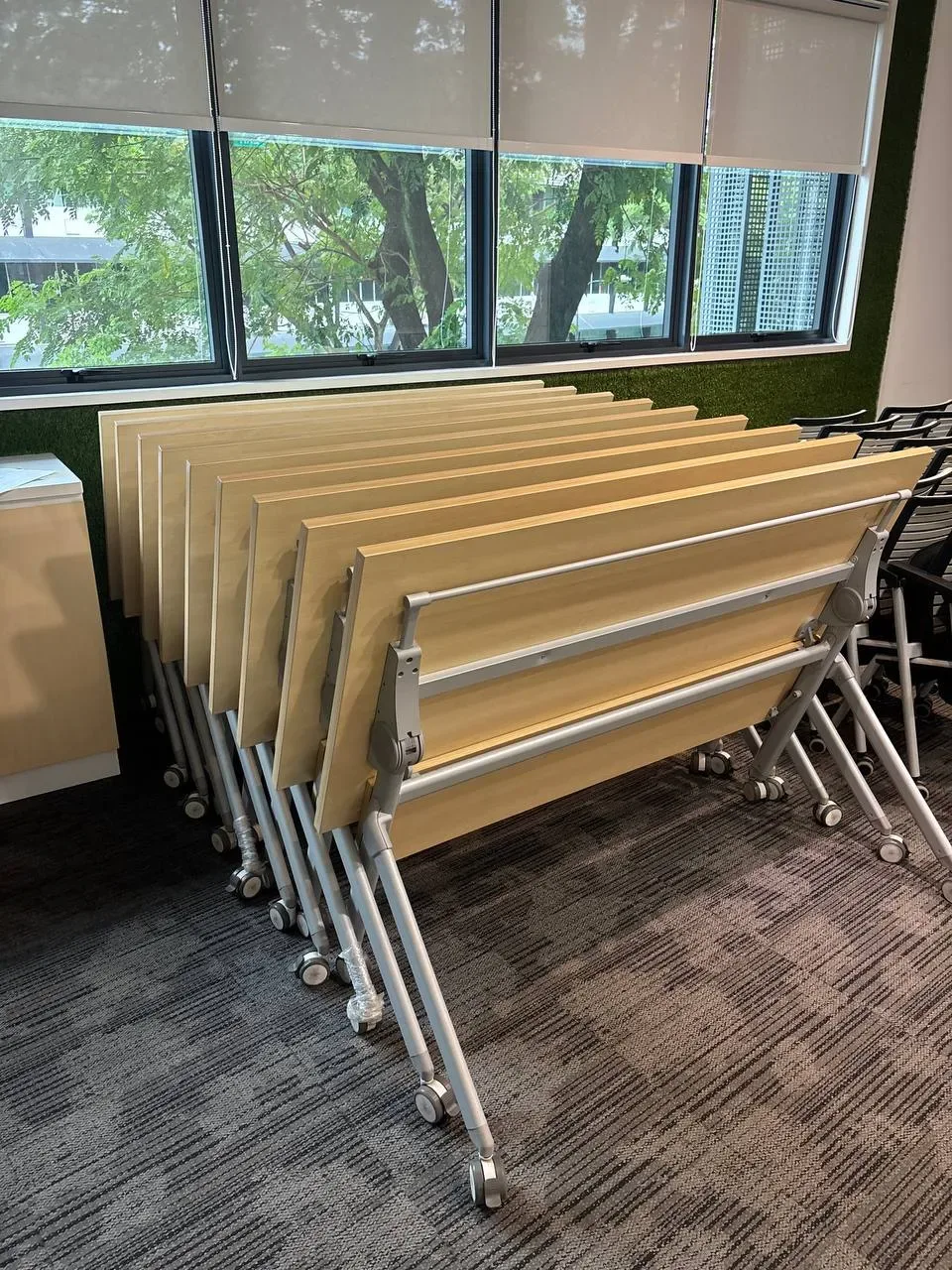
The National Environment Agency’s 3R Guidebook for Offices places reducing waste first, followed by reuse and then recycling. Applied to furniture, that means considering continued use before treating everything leaving a room as waste.
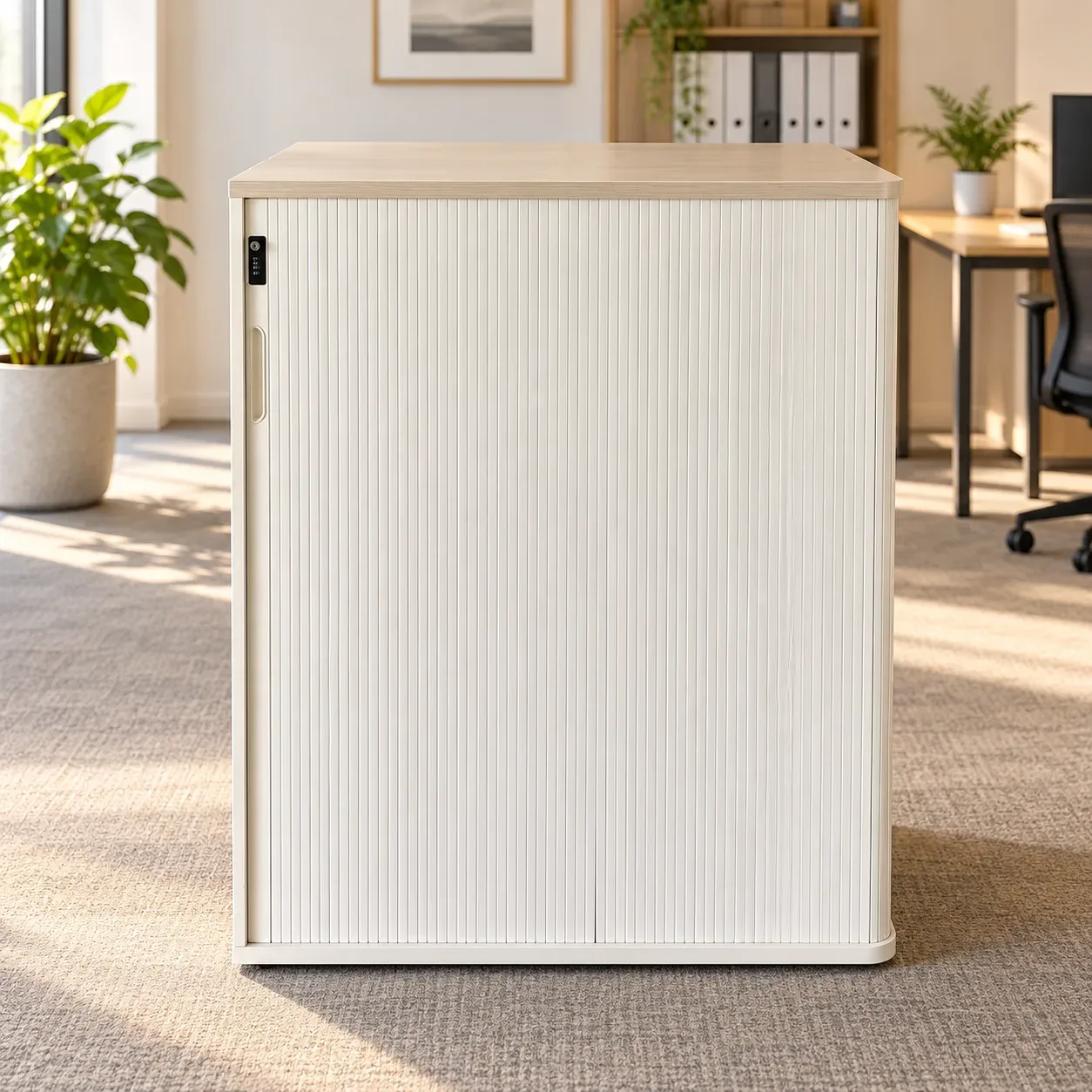
A cabinet no longer needed beside one team might solve a storage problem elsewhere. A meeting table may work in a training room. These are small decisions, but making them part of the move plan gives usable assets a better chance of staying in service.
Buy pre-owned for a real need
Second-hand purchasing works best when it fills a defined requirement. Check the dimensions, condition, configuration and quantity your team needs. A purchase made only because it is available can create another surplus item.
For illustration, imagine a business adding a small project room. It keeps an existing table and looks for suitable pre-owned chairs rather than replacing the whole set. Its practical achievement is a room made useful with a combination of retained and pre-owned furniture.
That example is a planning idea, not a Warebid customer result. The same approach can guide a larger move: identify what you can retain, then buy only what completes the working space.
Why extending useful life matters
Furniture has already required materials and manufacturing effort before reaching an office. Continuing to use a suitable piece makes more use of those resources and can reduce the need for a replacement.
NEA’s donation, resale and repair guidance identifies resale and donation as routes for furniture in good condition. Repair may also be worth exploring where it can restore practical use.
The environmental value depends on what actually happens. Furniture needs a willing next user and a useful role. Condition, any necessary work and the arrangements for moving it all matter. The aim is a longer working life, with the purchase and handover planned around that outcome.
Make reuse part of corporate responsibility
A reuse-first approach becomes more useful when someone owns it. Give a member of the move or procurement team responsibility for identifying retained furniture, checking internal demand and recording what happens to surplus items.
Bring colleagues into the discussion early. The team using a room can explain which desks, seating or storage still work well. Facilities staff can identify access constraints. Procurement can include suitable pre-owned options when considering what remains to be bought.
For furniture leaving the business, assess resale, donation or an appropriate recycling route according to its condition and the recipient’s requirements. Plan this while there is time to make arrangements, rather than leaving every decision to handover day.
Keep the sustainability story specific
If your company records this work as part of an ESG or sustainability programme, start with evidence of the actions taken. Useful records can include an item list, quantities, condition notes, purchase or transfer documents, photographs and the furniture’s destination.
NEA’s office guide recommends tracking quantities reduced, reused and recycled. For your furniture records, distinguish items intended for reuse from items actually handed over or put into use.
A clear internal summary might read: “The office retained its existing meeting table and added six pre-owned chairs to the project room.” This is an illustrative reporting example. Use the real quantities and outcome from your own project.
Carbon savings or waste-weight figures need their own measurement basis. Keep them separate from an item count. The Competition and Consumer Commission of Singapore’s guidance on clear and accurate product claims emphasises credible evidence and meaningful, specific descriptions.
Where Warebid fits
We’re Warebid, a pre-owned furniture and equipment platform supported by CPL Services. CPL’s background includes office clearance before reinstatement and assessing assets for buyback, where condition, demand and resale potential determine suitability.
Our catalogue gives businesses a place to explore available pre-owned furniture and equipment. For the items your office still needs, start with seating or tables and workstations, then assess the specific listings against the job they will do.
Responsible reuse is an ongoing habit: keep useful pieces working, make considered purchases and record what happens. A well-chosen second-hand item gives that habit a practical place in the office.
Frequently asked questions
How can second-hand furniture support an office sustainability plan?
It can help extend the useful life of existing furniture when the pieces meet a genuine need. Start by retaining suitable items already owned, then consider pre-owned options for the remaining requirement.
What should a business record about furniture reuse?
Record the items, quantities, condition, date and actual destination or use. Keep supporting purchase or transfer documents and photographs where helpful.
Does buying second-hand furniture establish an environmental certification?
A pre-owned purchase records a reuse decision. Any certification or quantified impact claim requires separate evidence and assessment under the relevant criteria.
 WhatsApp channel
 Telegram channel